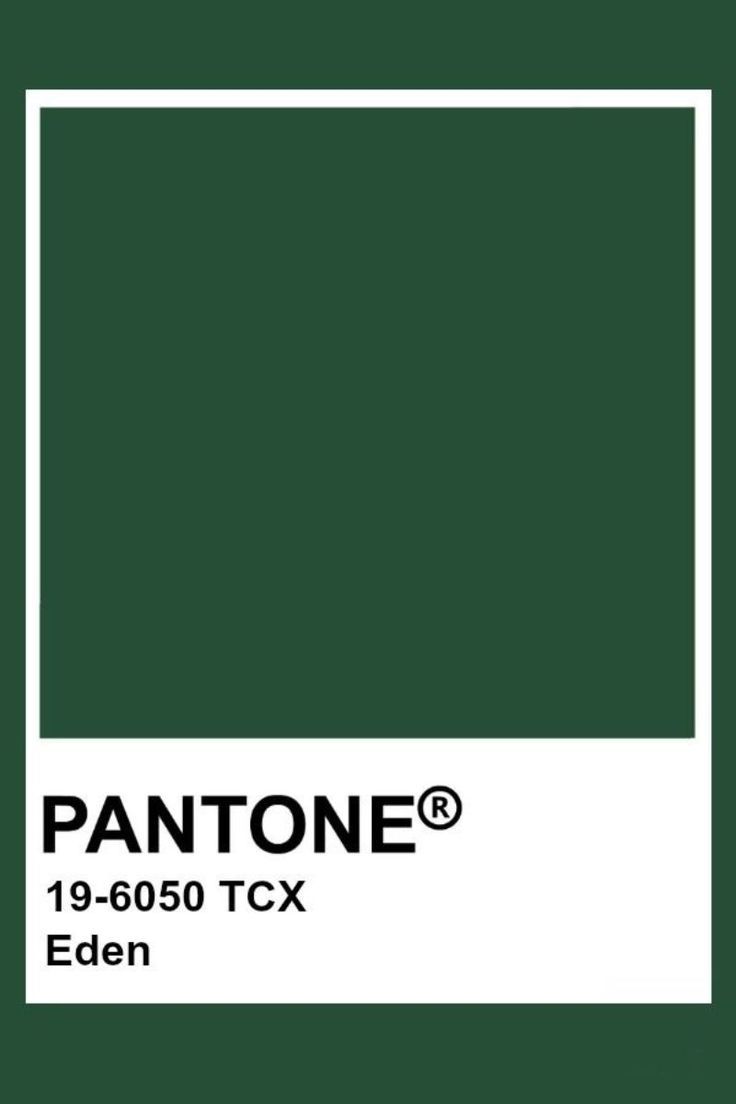
The darkest spruce color is a profound and enigmatic hue that sits at the far end of the evergreen spectrum. It is a shade that suggests ancient forests, enduring strength, and a quiet introspection that is rarely found in brighter tones. Often described as a near-black green, this deep chromatic value captures the essence of coniferous branches just before the first snow, holding within its dense appearance a world of muted light and shadow.
Read also: Darkest Spruce Color
Defining the Depth: The Anatomy of Darkest Spruce
To truly appreciate the darkness of this specific shade, one must look beyond the simple name "spruce" and examine the specific conditions that create the deepest version of this color. In design and art, the darkest spruce is not merely a dark green; it is a complex amalgamation of pigments and light absorption. It achieves a unique character by mixing profound amounts of black or deep navy with standard green pigments, resulting in a tone that appears to absorb light rather than reflect it. This creates a visual weight that is both substantial and grounding, making it a powerful neutral in any palette.
The Undertone Variance
Not all deep evergreen shades are created equal, and the specific undertone plays a critical role in how the darkest spruce is perceived in different environments. Depending on the exact mixture, the color can lean slightly toward blue, gray, or even brown, altering its mood entirely. When the blue component is dominant, the shade feels cool, crisp, and reminiscent of a shadowed pine forest in winter. Alternatively, if the color possesses a warmer bias, it can feel more like the deep bark of an ancient cedar, offering a sense of rustic warmth despite its dark intensity.

Read also: Deck Handrail Deck Stair Railing Code
Applications in Design and Aesthetics
Interior designers and architects frequently turn to the darkest spruce color to establish a sense of drama and sophistication. Unlike stark black, which can sometimes feel severe or cold, this deep green offers a richer, more organic depth. It works exceptionally well as an accent wall in a living room, providing a stunning backdrop for metallic fixtures or plush, neutral-toned furniture. The contrast between the vibrant elements of a space and this profound backdrop creates a luxurious and balanced atmosphere.
Material and Fabric Integration
The versatility of this color is evident in the wide range of materials it complements. In cabinetry and trim work, painted dark spruce offers a high-contrast element against lighter walls. In textiles, such as velvet throw pillows or wool blankets, the color takes on a tactile quality, adding layers of warmth to a room. It is also a popular choice for exterior applications, including front doors or fencing, where it provides a striking, timeless appearance that resists the fleeting trends of lighter outdoor colors.
Read also: Decorating Ideas For Long Narrow Front Porch
Psychological and Symbolic Resonance
Color psychology suggests that darker tones often evoke feelings of stability, introspection, and elegance. The darkest spruce color, specifically, draws on the symbolism of trees—growth, resilience, and connection to the earth. It is a hue that encourages contemplation and focus, making it an excellent choice for home offices or study spaces. While some might assume such a dark color would shrink a room, when used strategically with ample lighting, it actually creates a cozy, enveloping space that feels safe and secure.

Lighting Interaction
One of the most fascinating aspects of the darkest spruce color is how dramatically it interacts with light. In natural daylight, the depth of the color reveals subtle variations, showcasing the texture of the wood grain or the roughness of the paint surface. Under warm, artificial light, the shade becomes even more intense, leaning closer to black and creating a moody, intimate ambiance. Conversely, in cooler, task-oriented lighting, the green undertones are highlighted, offering a clear, focused aesthetic that prevents the space from feeling too dark.
Comparisons and Context
Understanding the darkest spruce color is easiest when comparing it to other popular dark tones. Unlike the bright, acidic quality of lime green, this shade is muted and sophisticated. Compared to charcoal gray, it offers a warmer, more organic feel. When placed next to true black, it provides a softer, more natural alternative that still conveys power and depth. These comparisons help to solidify its unique position in the world of color, bridging the gap between nature and modern design.
Selecting the Perfect Shade
Choosing the right variant of this deep color requires careful consideration of the specific environment and desired outcome. It is highly recommended to obtain physical paint swatches or fabric samples and observe them in the actual space where they will be used. Viewing the color at different times of the day is essential, as the changing light will significantly impact the perceived depth and undertone. This hands-on approach ensures that the final selection aligns perfectly with the vision for the space, whether that is a dramatic, intimate retreat or a sophisticated, modern statement.