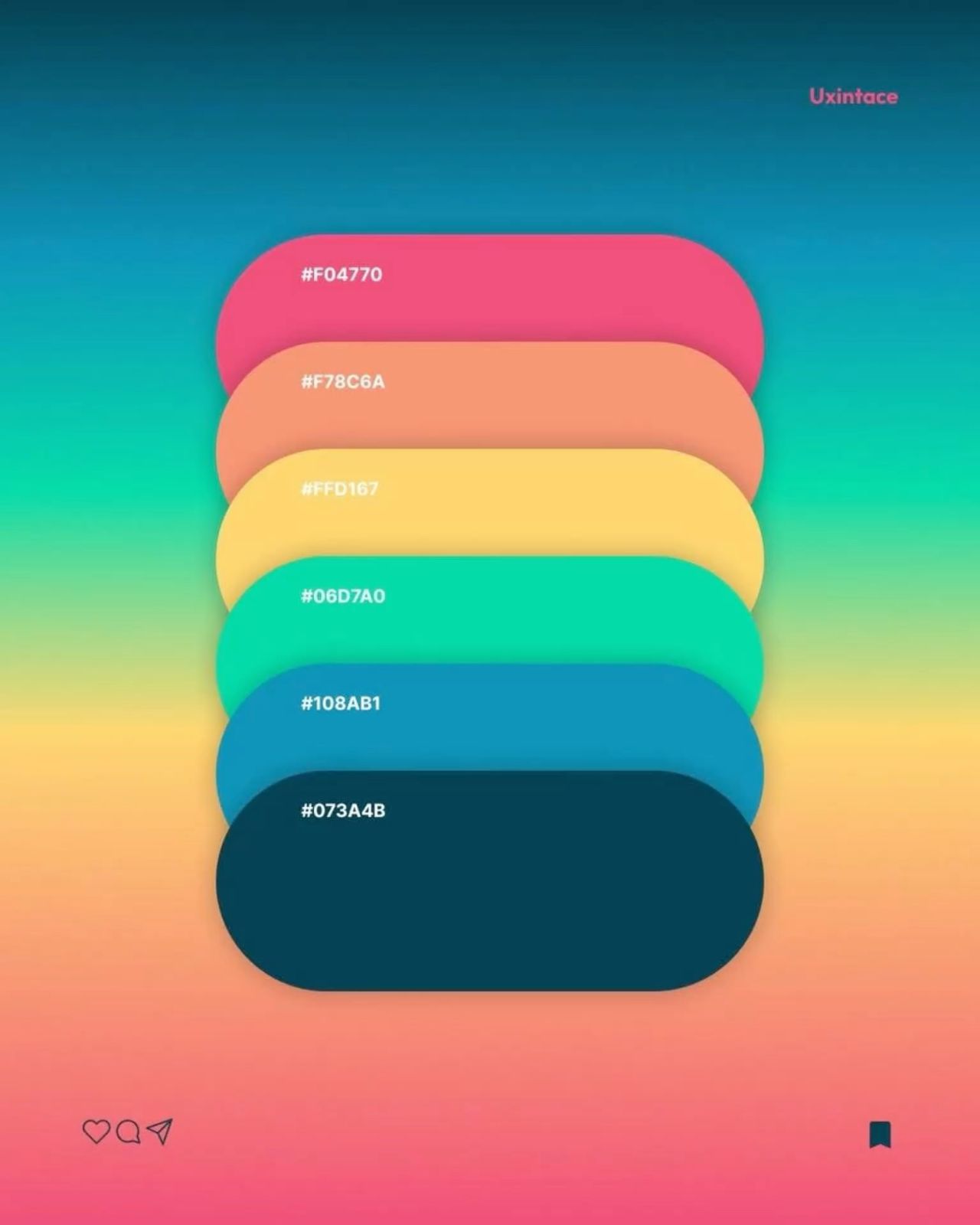
Mastering gradient color combination codes is essential for any designer looking to move beyond flat, static visuals. These strings of characters, whether in hex, RGB, or HSL format, act as the precise instructions that allow digital tools to generate smooth transitions between hues. A well-chosen gradient can add depth, dimension, and a modern sense of energy to a brand identity, elevating a simple interface into a memorable user experience.
Read also: Gradient Color Combination Codes
Decoding the Syntax: Hex, RGB, and HSL
The foundation of any gradient color combination code lies in its syntax, and understanding the language is the first step to mastery. The hexadecimal system, represented by a hash followed by six characters (like #FF5F6D), is the most common format for web and digital design due to its brevity and universal support. RGB, or Red Green Blue, uses three numbers to define intensity on a scale of 0 to 255, offering a more technical and transparent view of the color composition. For those seeking artistic control, HSL (Hue, Saturation, Lightness) provides an intuitive way to manipulate color, where you adjust the base color, its intensity, and its brightness to find the perfect balance for your gradient.
Read also: Gravel Backyard Ideas For Dogs
Choosing a Harmonious Palette
Selecting the right colors is the creative heart of the process, and there are established principles to guide your gradient color combination codes. Analogous schemes, which use colors sitting next to each other on the color wheel, create a serene and comfortable transition. Complementary schemes, pairing colors directly opposite each other, generate a high-contrast, vibrant feel that commands attention. Triadic palettes offer a balance of harmony and tension by using three colors evenly spaced on the wheel, allowing for a dynamic yet cohesive look that avoids visual dissonance.

Utilizing Online Gradient Generators
While understanding the codes is vital, leveraging technology can accelerate the discovery process. Online gradient generators allow you to visually manipulate colors in real-time, instantly providing the gradient color combination codes for your chosen design. These tools often include features like lock sliders to fine-tune individual colors, randomization buttons for inspiration, and the ability to export the final CSS code directly. This visual feedback loop is invaluable for ensuring the transition feels smooth and that the final code matches your aesthetic vision perfectly.
Read also: Gray Couch Living Room Wall Colors
Practical Application in Modern Design
Implementing these combinations extends far beyond simple backgrounds. In user interface design, subtle gradients on buttons can create a sense of depth and encourage user interaction, making the element feel tactile and pressable. In branding, a dynamic gradient for a logo can inject personality and modernity, setting a company apart from competitors using flat, single-color marks. When applied to text or illustrations, gradients can guide the user's eye and add a layer of sophistication that flat colors cannot achieve.
Best Practices for Smooth Transitions
To ensure your gradient color combination codes result in a professional look, adhering to a few best practices is crucial. Limiting your palette to two or three main colors usually yields the most elegant results, preventing the visual chaos that can occur with too many shifting hues. Consider the placement of your gradient; a vertical flow often mimics natural light, while a diagonal angle can create a sense of movement. Always test your gradients on different screen sizes and brightness levels to ensure the color transition remains smooth and the contrast remains readable.

Accessibility and Readability
An often-overlooked aspect of gradient design is accessibility. A beautiful gradient background can inadvertently reduce the contrast ratio between text and its surroundings, rendering content illegible for users with visual impairments. When using your gradient color combination codes, always check the contrast ratio of text placed over the transition zone. Tools like accessibility checkers can analyze the contrast at various points along the gradient, ensuring that your stunning visual design remains inclusive and compliant with global standards.
CSS Implementation and Future Trends
Translating your gradient color combination codes into a live website is typically done through CSS, where you can define the direction and color stops with precision. Modern CSS allows for complex multi-stop gradients and even gradient animations, where colors slowly shift over time to create a living background. Looking forward, the trend is moving toward more dynamic and interactive gradients, moving away from static side-to-side transitions toward effects that respond to cursor movement or scroll position, pushing the boundaries of what is possible in digital aesthetics.