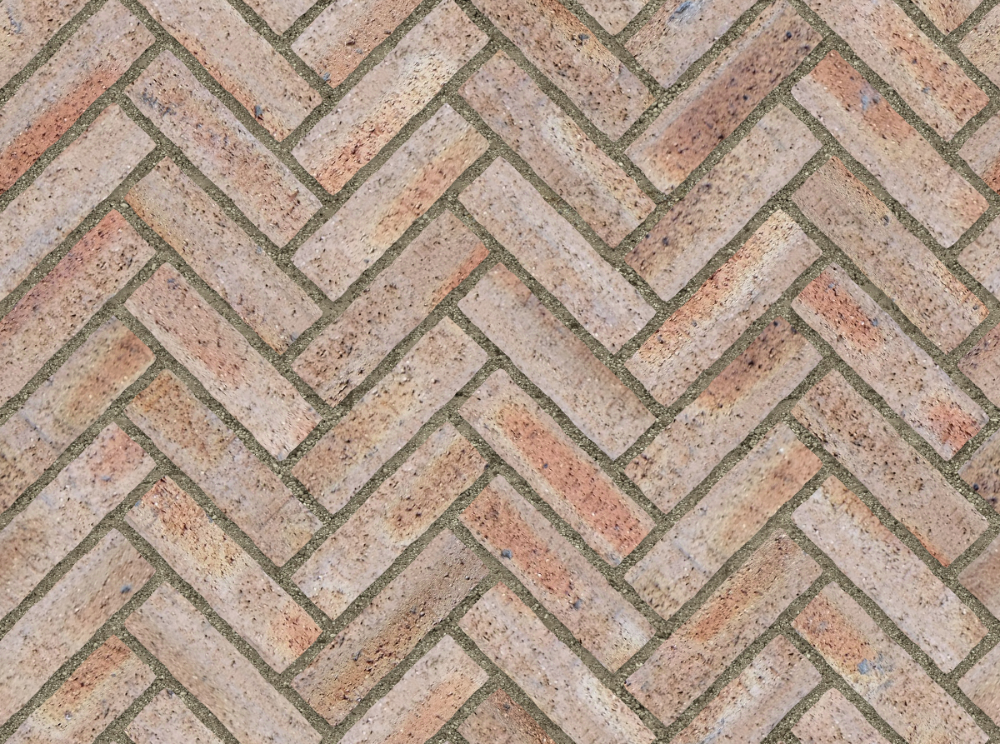
The herringbone brick floor texture is a design language written in stone and mortar, transforming a simple walkway into a statement of timeless craftsmanship. This pattern, characterized by its crisp, overlapping rows that meet at a 90-degree angle, creates a visual rhythm that is both structured and dynamic. Unlike more relaxed layouts, herringbone exudes a sense of deliberate precision, making it a preferred choice for entryways, patios, and interior spaces seeking an elevated aesthetic.
Read also: Herringbone Brick Floor Texture
Deconstructing the Visual Pattern
At its core, the herringbone pattern is a dance of right angles and linear movement. Each rectangular brick is cut and laid at a perpendicular angle to the course below it, forming a series of vibrant "V" shapes that guide the eye across the surface. This specific orientation generates a powerful optical illusion of depth and motion, making a relatively flat surface appear more complex and engaging. The texture becomes a study in geometry, where the repetition of shape creates a sophisticated backdrop that is bold without being loud.
The Role of Material and Mortar
While the pattern provides the structure, the material of the brick dictates the character of the texture. Dense, fine-grained stones like basalt or granite offer a smooth, honed surface that feels cool underfoot, while reclaimed bricks introduce a rugged, pitted topography defined by centuries of weathering. The mortar itself plays a critical role; a wide, raked joint creates deep shadows that amplify the three-dimensional feel, whereas a colored or polished mortar line can soften the look, blending the grid into a more cohesive plane.

Read also: High End Patio Furniture Brands
Practical Advantages of Herringbone Flooring
Beyond its undeniable visual appeal, the herringbone brick floor texture offers significant functional benefits for exterior applications. The geometric interlock provides inherent stability, distributing weight and resisting shifts that can occur with looser patterns. This makes it an excellent choice for driveways and high-traffic garden paths where durability is paramount. The textured surface created by the individual bricks provides exceptional traction, even when wet, reducing the risk of slipping and wear.
Drainage and Resilience
In landscaping contexts, the gaps inherent in a herringbone layout serve a vital purpose. Unlike a solid slab, this design allows rainwater to seep down directly to the base layer, minimizing surface pooling and erosion. When installed with a proper gravel bed, a herringbone patio can effectively manage stormwater, maintaining its structural integrity season after season. This combination of form and function explains why the pattern has remained a staple in hardscape engineering for centuries.
Read also: Highest Rated Robot Vacuum Amazon
Design Versatility and Application
The herringbone brick floor texture adapts seamlessly to a variety of design narratives. In a modern courtyard, a sleek, narrow brick in a cool grey palette can create a sophisticated, almost graphic look that complements clean lines and minimalist architecture. Conversely, using a mix of vintage colors and sizes can evoke the charm of a historic European courtyard, adding warmth and narrative to a rustic kitchen extension or a cozy outdoor living area.

Integrating with the Landscape
To maximize the impact of this pattern, consider how it interacts with the surrounding environment. A herringbone path leading to a front door acts as a focal point, setting the stage for the home’s character. When used for outdoor kitchens or entertainment spaces, the texture defines the space, creating a distinct "room" feel. The transition from the soft greenery of a lawn to the rigid geometry of the brick provides a satisfying sensory contrast that grounds the design.
Installation Considerations and Longevity
Achieving the herringbone brick floor texture requires careful planning and skilled installation. The pattern is unforgiving of uneven bases or inconsistent brick sizes, demanding a precise, level foundation and meticulous layout work. While the initial investment in professional installation and quality materials is higher than simpler patterns, the result is a floor built to last. This is a legacy surface, designed to age gracefully, developing a patina that only enhances its character over time.